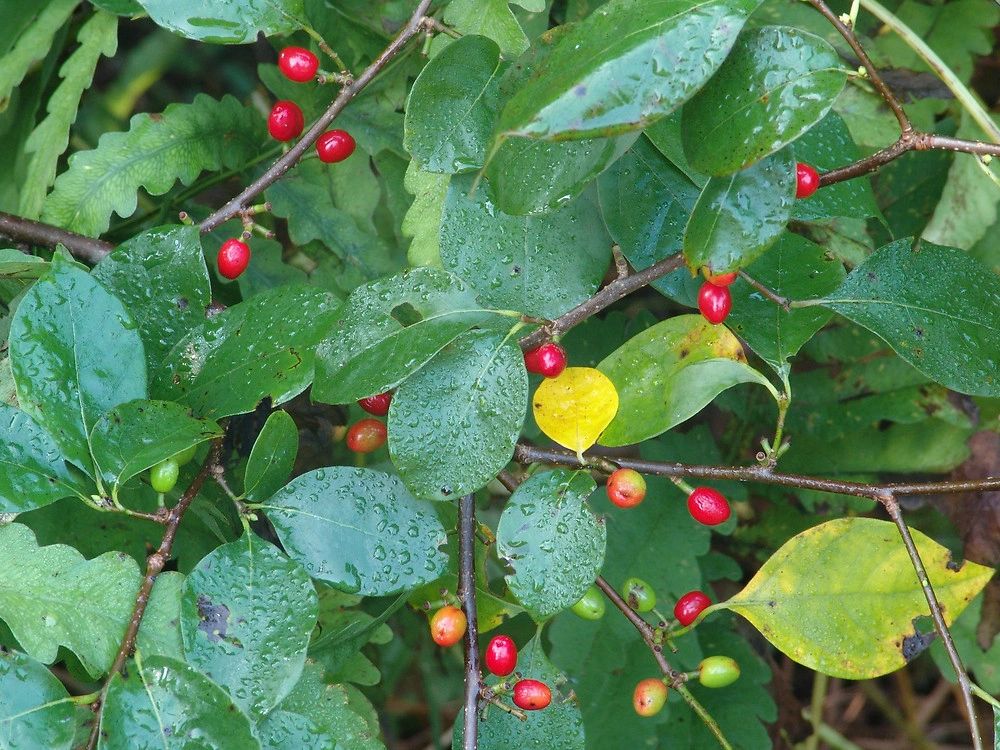
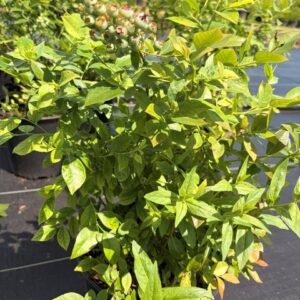
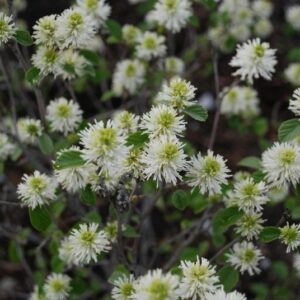
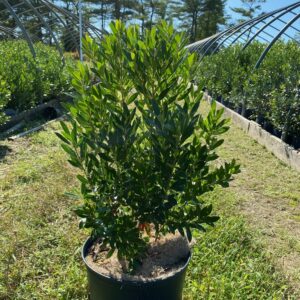
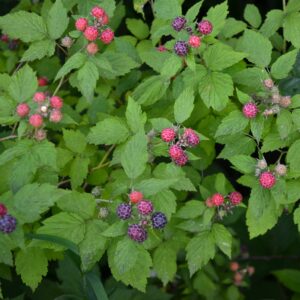
Northern spicebush is a single- or few-stemmed, deciduous shrub, 6-12 ft. tall, with glossy leaves and graceful, slender, light green branches. Leaves alternate on the branchlets, up to 6 inches long and 2 1/2 inches wide, upper surface dark green, lower surface lighter in color, obovate, tapering more gradually to the base than to the tip, tip somewhat extended margins without teeth or lobes. Dense clusters of tiny, pale yellow flowers bloom before the leaves from globose buds along the twigs. Flowers occur in umbel-like clusters and are followed by glossy red fruit. Both the fruit and foliage are aromatic. Leaves turn a colorful golden-yellow in fall. In the North this plant is thought of as the “forsythia of the wilds” because its early spring flowering gives a subtle yellow tinge to many lowland woods where it is common. A tea can be made from the aromatic leaves and twigs.
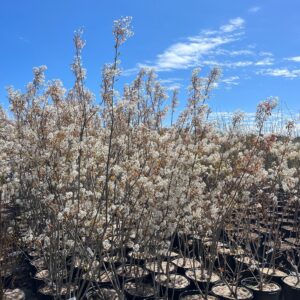
Please note: Most pictures represent mature plants. Unless otherwise specified, all of our plants are sold in 4″ pots to make shipping possible and will mature in time.
Lindera benzoin, commonly known as Spicebush, is a hardy, deciduous native shrub prized for its fragrant foliage, early spring flowers, and vibrant red berries. Native to eastern North America, this versatile woodland plant is an excellent choice for native gardens, rain gardens, wildlife habitats, woodland edges, and naturalized landscapes.
In early spring, Lindera benzoin produces clusters of small, yellow flowers along its bare branches before the foliage emerges. The fragrant blooms provide an important early-season source of nectar for bees and other pollinators. Female plants develop bright red berries in late summer and fall, which are an important food source for birds and other wildlife.
Spicebush grows well in partial shade to full shade and prefers moist, well-drained, organically rich soil. It can also tolerate wetter conditions, making it a useful choice for rain gardens and low-lying areas. The aromatic leaves and stems release a pleasant spicy fragrance when crushed, adding another dimension of interest to the garden.
With its early spring flowers, fragrant foliage, colorful berries, and exceptional wildlife value, Lindera benzoin is an outstanding native shrub for gardeners looking to create a beautiful, low-maintenance, and pollinator- and wildlife-friendly landscape.