This native groundcover blueberry is a low growing shrubs that produces an edible fruit that is slightly tart in taste and smaller in size than that of highbush blueberry. Native stands of this plant are populated across the Long Island pine barrens and other wooded areas along with other species such as Bear Oak, Black Huckleberry, Pitch Pine, and various Oak species.
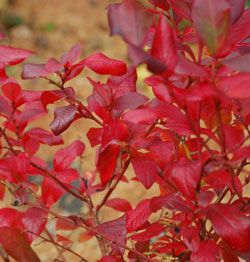
Glossy green foliage turns from red-green in spring to blue-green in summer to maroon-purple in fall. Small, white, pink-tinged, bell-shaped flowers are followed by edible blue fruit. The berries are relished by wildlife and humans alike.
Please note: Most pictures represent mature plants. Unless otherwise specified, all of our plants are sold in 4″ pots to make shipping possible and will mature in time.
Vaccinium angustifolium, commonly known as lowbush blueberry, is a hardy native shrub prized for its delicious edible berries, delicate spring flowers, brilliant fall color, and exceptional wildlife value. Native to northeastern North America, this low-growing blueberry is an excellent choice for native plant gardens, pollinator gardens, edible landscapes, wildlife gardens, woodland edges, and naturalized plantings.
In spring, lowbush blueberry produces small, bell-shaped white to pinkish flowers that attract native bees, butterflies, and other pollinators. These flowers develop into sweet, blue-purple blueberries that ripen in summer and provide an important food source for birds and other wildlife. The berries can also be enjoyed by people fresh or used in a variety of culinary preparations.
One of the most appealing features of Vaccinium angustifolium is its vibrant seasonal color. Its green foliage transforms into striking shades of red, orange, and bronze in fall, adding additional interest to the landscape. Its low, spreading growth habit makes it especially useful as a groundcover or as part of a layered native planting.
Lowbush blueberry thrives in full sun to partial shade and prefers well-drained, acidic soils rich in organic matter. It is particularly well suited to naturally acidic landscapes and can be planted alongside other native shrubs and perennials with similar growing requirements. Once established, it can spread gradually through underground stems to form attractive colonies.