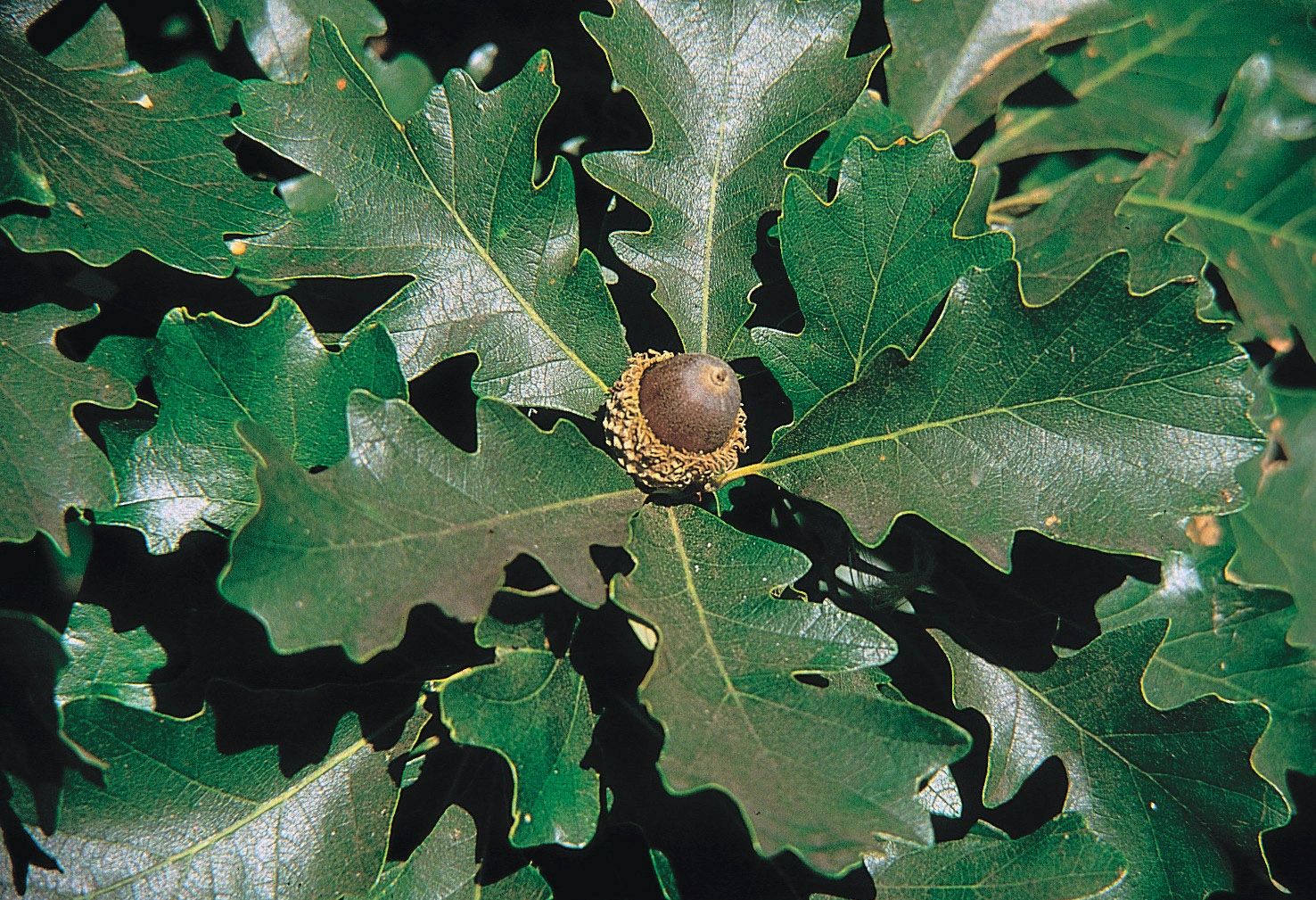
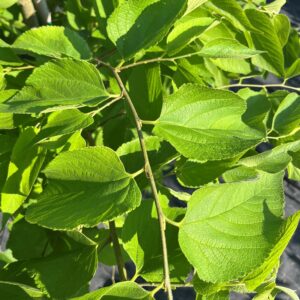
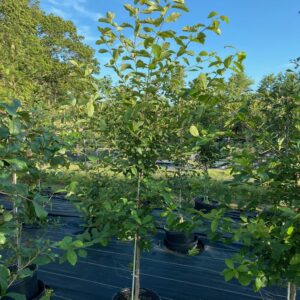
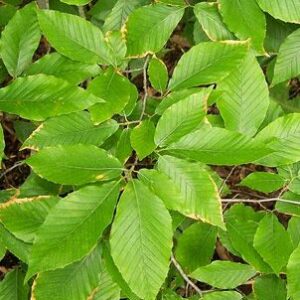
Quercus macrocarpa, commonly known as Bur Oak, is a majestic, long-lived native deciduous tree prized for its massive size, distinctive deeply lobed foliage, rugged bark, and large acorns with fringed caps. Native to central and eastern North America, this highly adaptable oak is an excellent choice for large landscapes, parks, prairie restorations, wildlife gardens, and naturalized areas.
Throughout the growing season, Quercus macrocarpa develops a broad, rounded canopy with large, dark green leaves that feature deep lobes and a distinctive shape. In fall, the foliage develops warm yellow to brown tones before dropping. The tree produces some of the largest acorns of North American oaks, with characteristic fringed caps that provide an important food source for squirrels, deer, birds, and other wildlife.
Bur Oak performs best in full sun and adapts exceptionally well to a wide range of soil conditions, including dry, clay, alkaline, and compacted soils. Once established, it is highly drought tolerant and can withstand challenging urban and landscape conditions. Its deeply rooted growth habit and strong branching structure contribute to its impressive longevity and make it a valuable choice for long-term shade and habitat.
With its enormous mature size, distinctive foliage, rugged character, exceptional drought tolerance, and outstanding wildlife value, Quercus macrocarpa is an exceptional native shade tree for gardeners and landowners looking to create a lasting landscape legacy.