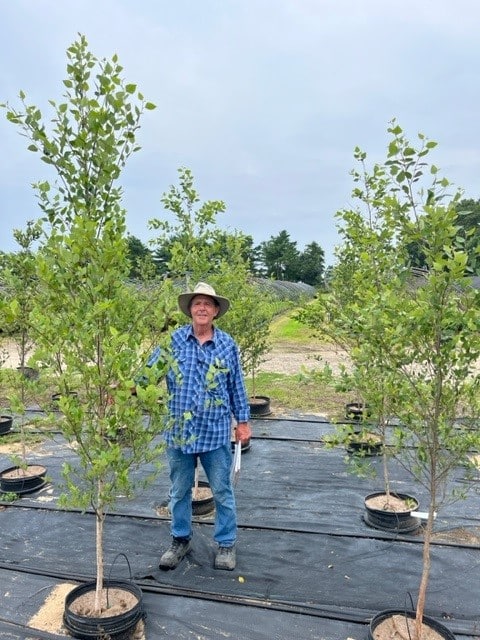
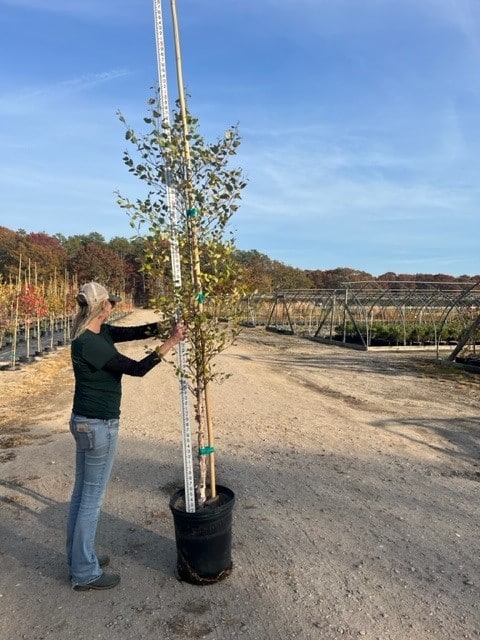
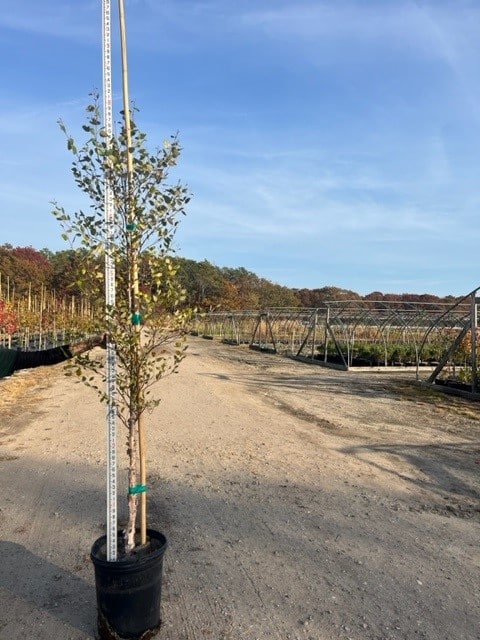
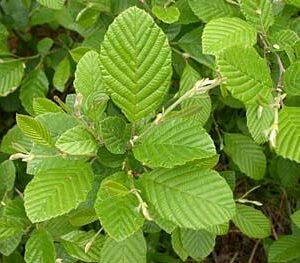
Betula nigra, commonly known as river birch, is a distinctive native North American tree prized for its attractive peeling bark, graceful form, adaptability to wet soils, and value to wildlife. Native to much of the eastern and southeastern United States, river birch is an excellent choice for native plant gardens, rain gardens, wetland landscapes, wildlife habitat, streamside plantings, and naturalized landscapes.
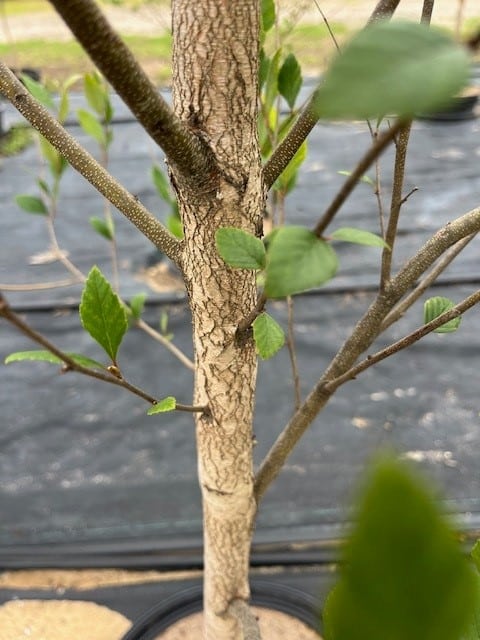
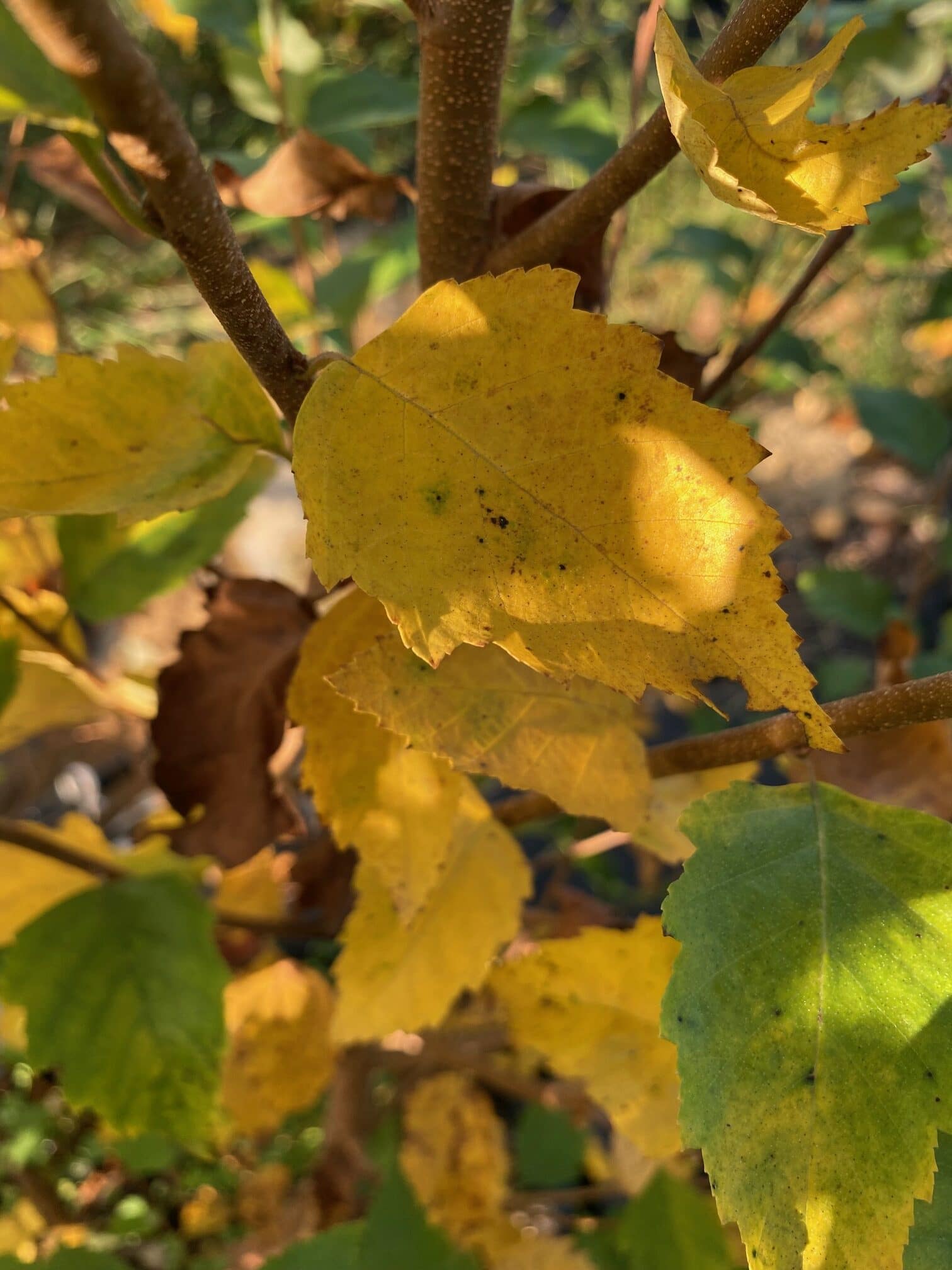
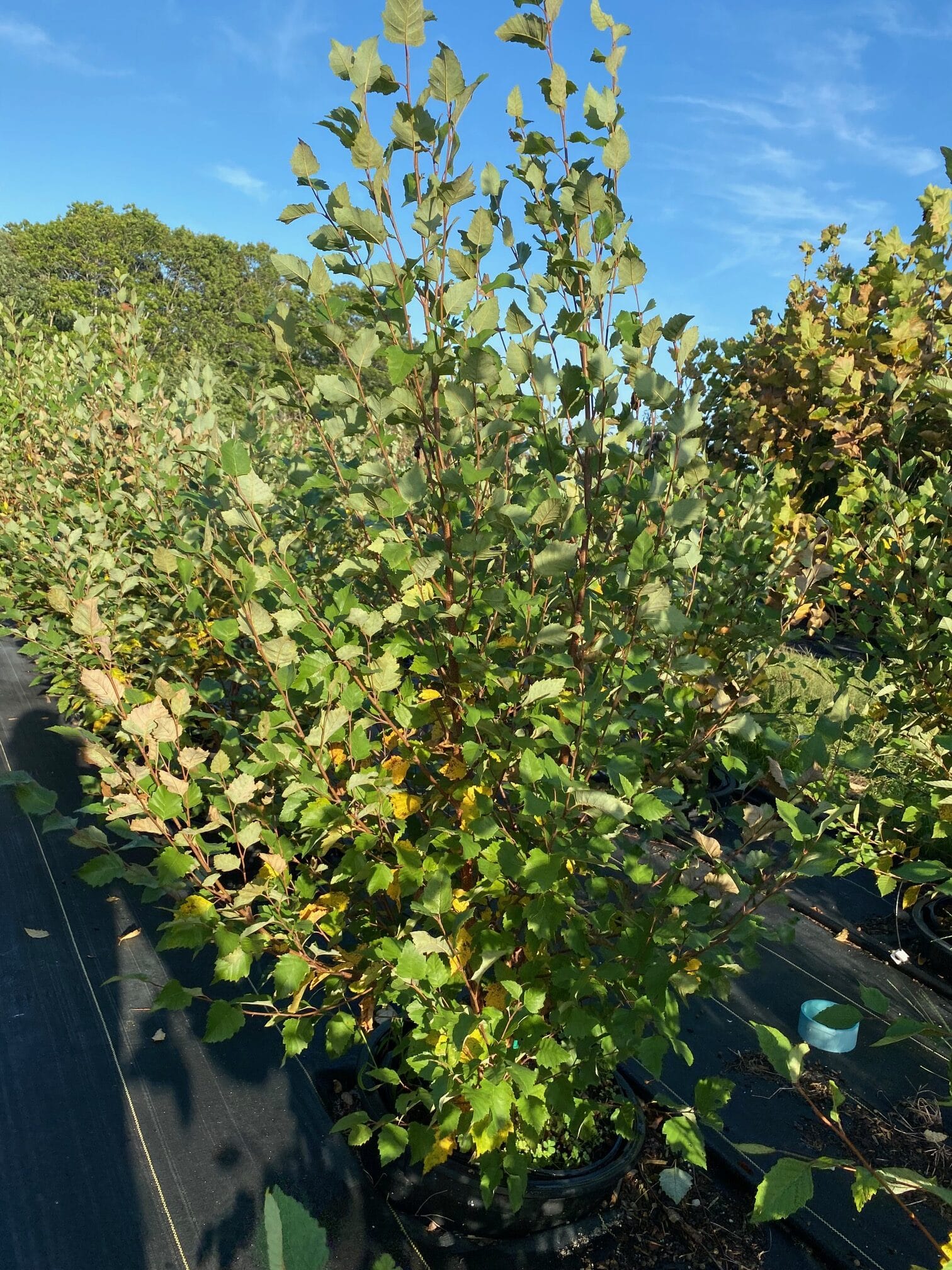
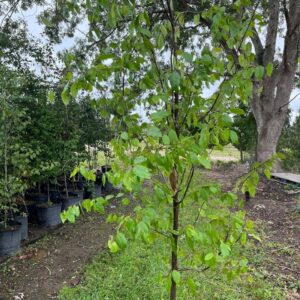
One of the most striking features of Betula nigra is its exfoliating bark, which ranges from salmon-brown to cinnamon and develops into attractive papery layers as the tree matures. The peeling bark provides year-round visual interest, while its airy canopy and delicate green foliage create a graceful appearance during the growing season. In fall, the leaves turn warm shades of yellow, adding seasonal color to the landscape.
River birch produces catkins in spring that provide an early food source for native bees and other pollinators. Its seeds are eaten by birds and other wildlife, while the tree’s branching structure can provide shelter and nesting habitat. As its name suggests, river birch naturally thrives along rivers, streams, floodplains, and other moist environments, where its extensive root system can also help stabilize soils.
Betula nigra performs best in full sun to partial shade and adapts particularly well to moist or wet soils. Its tolerance of periodically saturated conditions makes it a valuable native tree for rain gardens, pond edges, stream banks, and areas prone to flooding. Once established, it can also tolerate average landscape conditions.
Whether you’re looking to stabilize a stream bank, add wildlife habitat, improve a wet area, or bring distinctive year-round character to a native landscape, Betula nigra is an excellent choice. Its colorful peeling bark, adaptability, and ecological value make river birch one of the most useful native trees for moist landscapes.