Plants will typically be in the 2-3 foot range in a 2 gallon container.
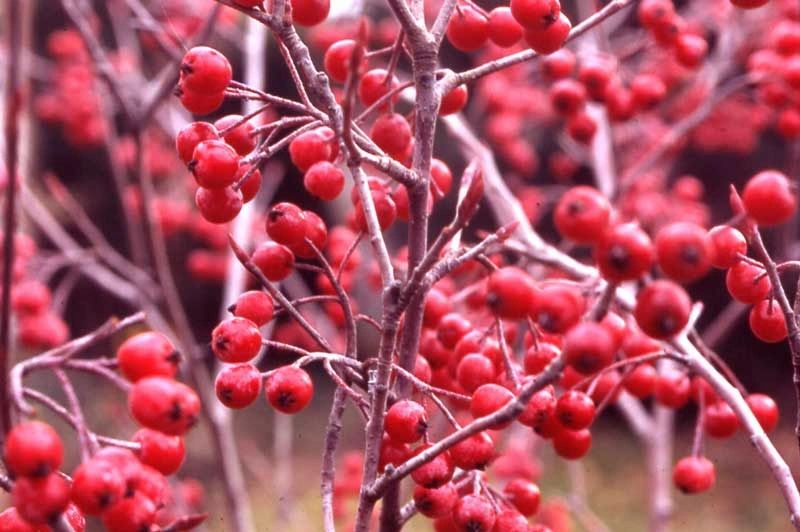
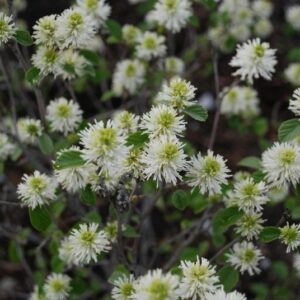
Great fall colors of orange, red & yellow. Clusters of white flowers in late spring produce red berries. Red Chokeberry is coveted by many species of birds, plants provide fantastic shelter. Multi stem plants perfect for forming a thicket.
Please note: Most pictures represent mature plants. Unless otherwise specified, all of our plants are sold in 4″ pots to make shipping possible and will mature in time.
Aronia arbutifolia (Red Chokeberry) is a versatile North American native shrub prized for its clusters of white flowers, bright red berries, and exceptional multi-season wildlife value. Blooming in spring, this attractive deciduous shrub produces delicate white flowers that provide an important early-season nectar and pollen source for native pollinators. The flowers develop into vibrant red berries that persist into fall and winter, providing valuable food for birds and other wildlife.
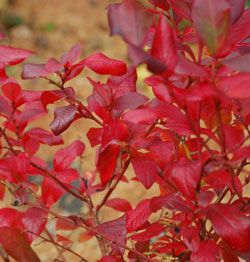
Red chokeberry is also known for its brilliant scarlet-red fall foliage, making it an excellent choice for adding seasonal color and interest to the native landscape. Aronia arbutifolia adapts well to a variety of growing conditions and is particularly useful in rain gardens, woodland edges, wet areas, native hedgerows, wildlife gardens, and naturalized plantings. Its upright, branching form makes it a versatile native shrub for creating habitat, screening, or adding structure to the garden.
With its attractive flowers, persistent fruit, outstanding fall color, and wildlife benefits, Red Chokeberry is an excellent choice for gardeners looking to incorporate a beautiful and ecologically valuable native shrub into their landscape.