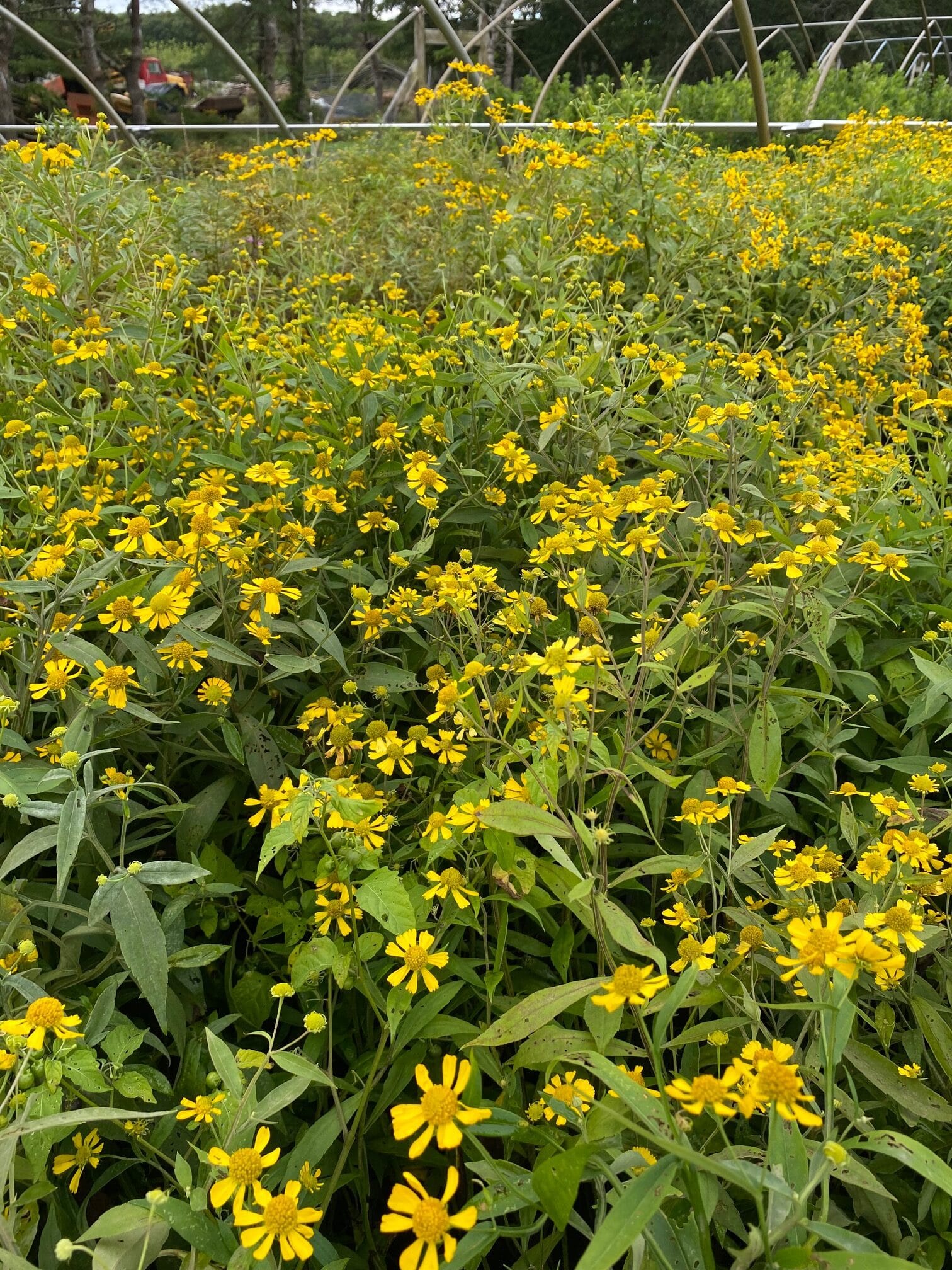
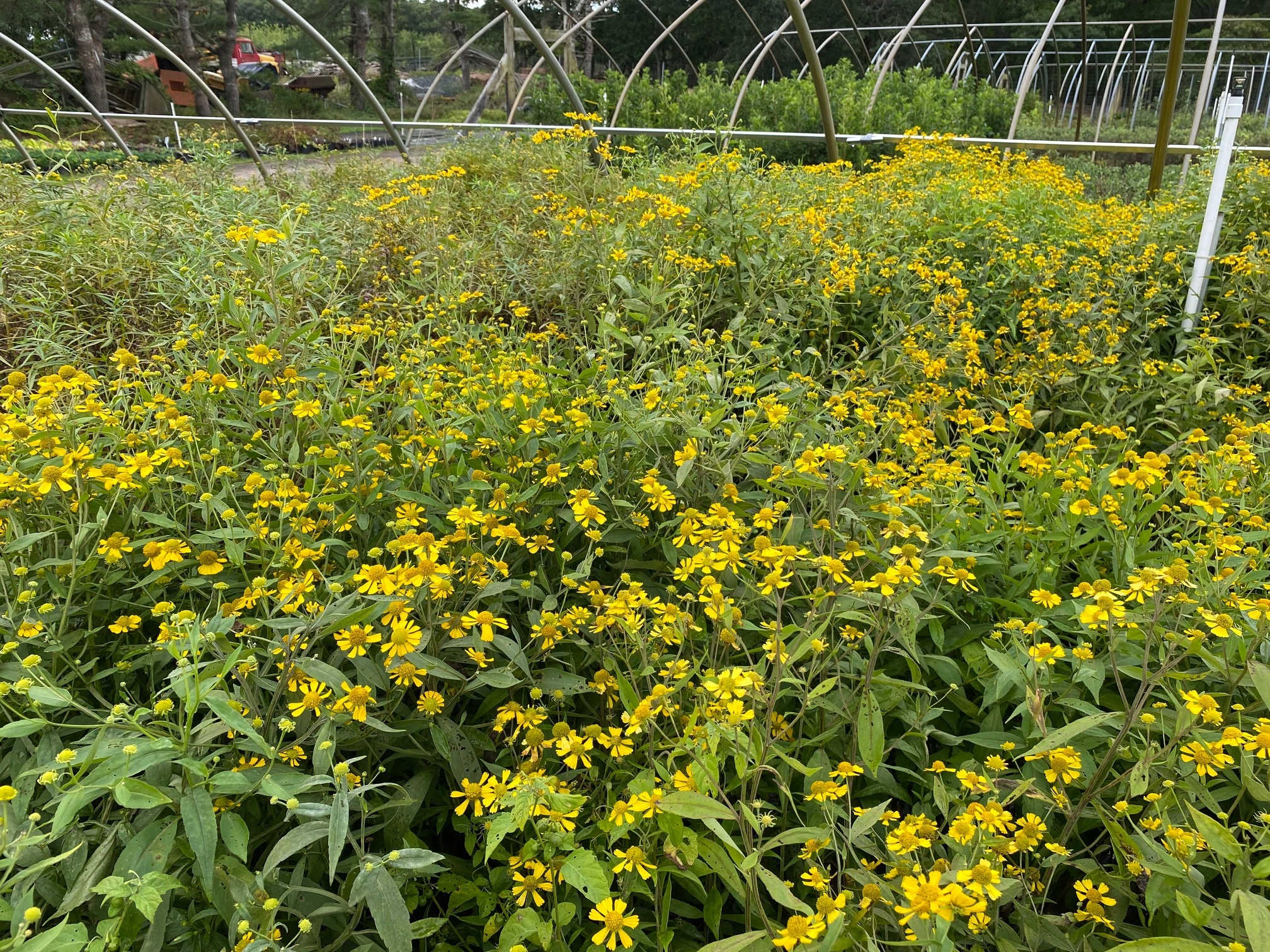
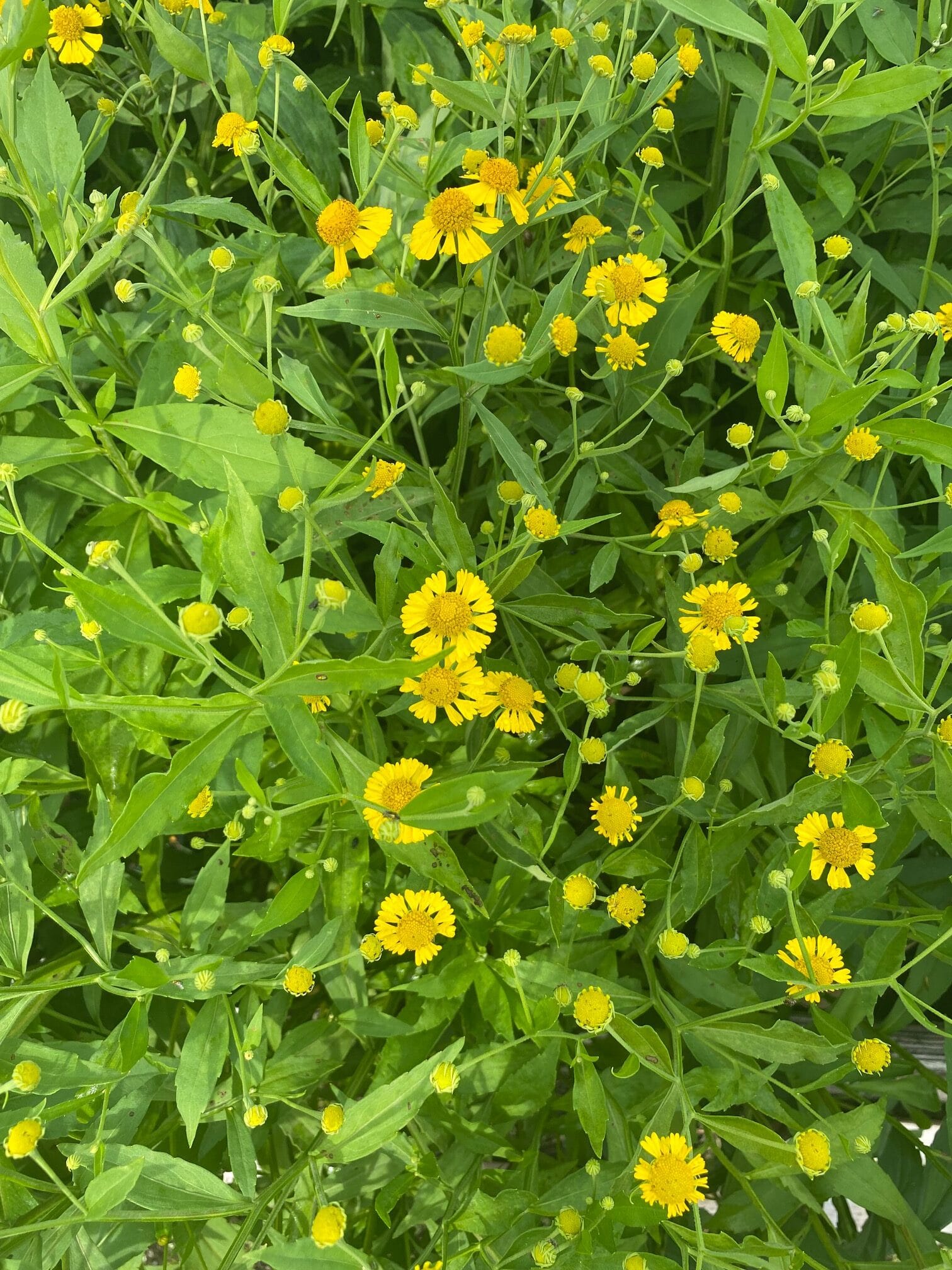
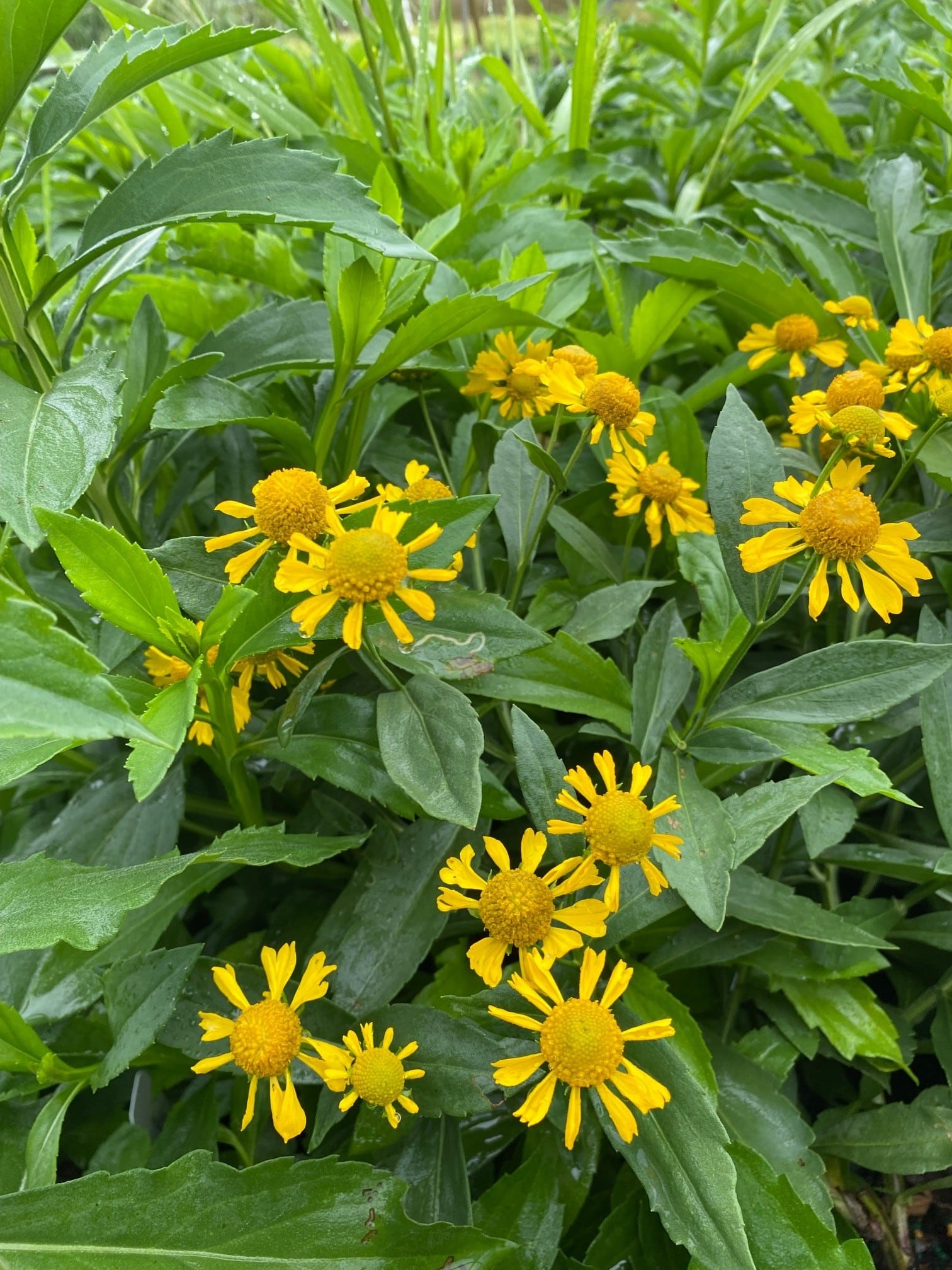
Sneezeweed can be found throughout the United States in moist soils along streams, ponds, in swamps, and wetlands. Sneezeweed can be cultivated in average to rich soils, needing moist to wet conditions. It should be cut back in early summer to encourage branching and increase flowers.
The common name of Sneezeweed is based on historic use of the crushed dried leaves and heads to make a form of snuff that caused sneezing.
Common sneezeweed leaves, flowers, and seeds are poisonous to humans if eaten in large quantities, causing gastric and intestinal irritation, which can become fatal. The chemicals in sneezeweed can poison livestock, particularly sheep and cattle.
Straight Species

$14.99 – $149.99Price range: $14.99 through $149.99
Please note: Most pictures represent mature plants. Unless otherwise specified, all of our plants are sold in 4″ pots to make shipping possible and will mature in time.
Learn more about how the process works and how our plants are delivered.
| Native | |
|---|---|
| Wetland Indicator | |
| Sunlight | |
| Special Attributes | |
| Moisture | |
| Bloom Period | August to October |
| Size | 1 Gallon, 1 Quart, Full Flat – (50) 2 inch Plugs |
Helenium autumnale, commonly known as Common Sneezeweed, is a vibrant native perennial prized for its cheerful yellow, daisy-like flowers and long-lasting late-season blooms. A beautiful choice for pollinator gardens, native plant gardens, rain gardens, perennial borders, meadows, and naturalized landscapes, Sneezeweed brings bright color and valuable wildlife habitat to the garden when many other perennials are winding down.
This adaptable perennial thrives in full sun and moist to average soils and is an excellent choice for gardeners looking for a colorful, wildlife-friendly plant. Its abundant flowers attract bees, butterflies, and other beneficial pollinators, while its upright growth habit adds height and structure to mixed perennial plantings. Sneezeweed is especially useful in moisture-rich areas, making it a natural choice for rain gardens and pond-side landscapes.
Whether you’re creating a pollinator-friendly garden, adding vibrant color to a sunny perennial border, or looking for a dependable native plant for a moist landscape, Helenium autumnale offers beauty, versatility, and ecological value. Its bright fall blooms pair beautifully with asters, goldenrods, grasses, and other late-season perennials.