

Betula lenta, commonly known as black birch or sweet birch, is a handsome native North American tree prized for its attractive bark, fragrant foliage, fall color, and importance to wildlife. Native to eastern North America, this versatile tree is an excellent choice for native plant gardens, woodland landscapes, wildlife habitat, pollinator gardens, and naturalized plantings.
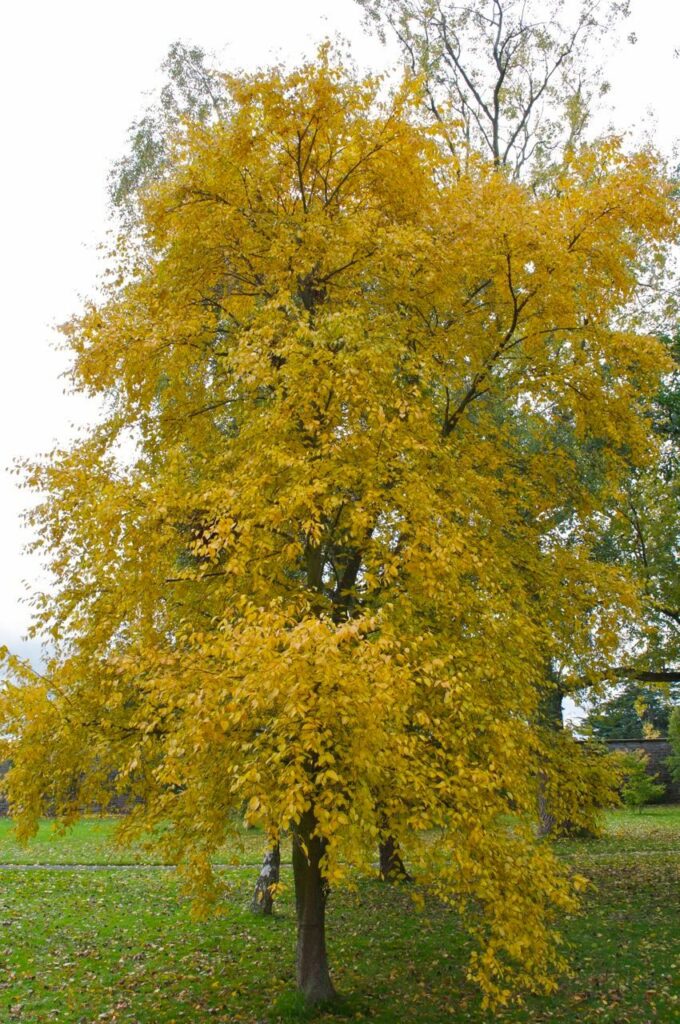
In spring, black birch produces slender catkins that provide an early-season food source for native bees and other pollinators. Its glossy green leaves and graceful branching create an attractive presence throughout the growing season, while the foliage turns shades of yellow and golden bronze in fall.
One of the most distinctive features of Betula lenta is its dark, often reddish-brown bark, which develops attractive plates and fissures as the tree matures. Young twigs and branches have a characteristic wintergreen aroma when crushed, giving the tree its common name, sweet birch. Its seeds are also valued by birds and other wildlife, while the tree supports a variety of native insects.
Black birch grows best in full sun to partial shade and prefers moist, well-drained, acidic soils. It is naturally found in forests, wooded slopes, and upland areas, making it an excellent native choice for woodland gardens and larger landscapes where a long-lived forest tree is desired.
Whether you’re looking to support native wildlife, create woodland habitat, or add a distinctive native tree with attractive bark and seasonal interest, Betula lenta is an excellent choice. Its graceful form, fragrant character, and ecological value make black birch a rewarding addition to a native landscape.